Your Custom Text Here
Principal Investigator
Associate Director of the Pediatric Surgical Research Laboratories, Massachusetts General Hospital
Associate Molecular Biologist, Massachusetts General Hospital
Associate Professor, Harvard Medical School
David Pépin was trained as a molecular and developmental biologist at the University of Ottawa, Canada, where he completed a PhD elucidating the role of chromatin remodeling during ovarian development and in ovarian cancers. In 2011, Dr. Pépin joined the Pediatric Surgical Research Laboratories as a Research Fellow at the Massachusetts General Hospital, in Boston to continue his training in ovarian cancer research. In 2016, Dr. Pépin established his laboratory as an Assistant Professor in the Pediatric Surgical Research Laboratories of the Massachusetts General Hospital. His research focuses on women’s health and particularly female reproductive development, ovarian physiology, and ovarian cancer.
Instructor
Marie C. Meinsohn is a postdoctoral fellow in the Pepin Laboratory studying ovarian development, contraception, and ovarian cancer. Dr. Meinsohn holds two master’s degrees, one in Bioengineering and Life Science, and the other in Image Processing, Robotics and Biomedical Engineering, and holds a Doctor of Philosophy in Biomedical Sciences. Before joining the Pepin Laboratory, Dr. Meinsohn completed her PhD studies at the University of Montreal in the laboratory of Bruce D. Murphy, PhD where she studied the role of the orphan nuclear receptor Nr5a2 on the ovarian function with a focus on granulosa cell proliferation and ovarian reserve activation.
Project: Reversible Contraceptives that Block Primordial Follicles (Bill and Melinda Gates Grand Exploration Challenge)
Research Fellow
Maëva Chauvin joined the Pépin Laboratory in 2020 after completing her PhD at the Institut de Recherche en Cancérologie (Cancer Research Institute) in Montpellier, France, where she studied the role of anti-Müllerian hormone and its receptors in gynecological cancers and developed therapeutic antibodies. She is currently investigating how the AMH/AMHR2 pathway may regulate the tumor microenvironment in ovarian cancer.
Her research focuses on understanding the role of Cancer-Associated Mesothelial Cells (CAMCs) in the ovarian cancer tumor microenvironment. She explores how the cancer secretome and the TGFβ family, including AMH/AMHR2 signaling, drive mesothelial cell reprogramming and contribute to immune evasion and treatment resistance. By combining in vitro and in vivo models, spatial transcriptomics, and advanced immunophenotyping, she aims to characterize the molecular mechanisms governing CAMC differentiation and function.
Research Fellow
Karine joined the Pépin lab in 2025 and quickly became involved in projects covering ovarian biology, AMH, and a small zoological tour of reproductive science: cats, mice, dogs, humans, and now rhesus macaques. A veterinarian by training, she enjoys working across species to tackle questions in reproductive biology and endocrinology.
She holds a Master’s degree in Animal Science from UFRGS (Brazil), where she specialized in in vitro fertilization, and earned her PhD in Molecular Medicine from Université Laval (Canada) in 2024 under the supervision of Dr. Jacques J. Tremblay. Her doctoral research focused on the molecular mechanisms of MEF2 transcription factors in testicular Leydig cells, adding a molecular and endocrine perspective to her long-standing interest in reproductive biology.
Project:Evaluation of the effect of exogenous AMH on ovarian function and fertility in rhesus macaques.
Email: kdemattos@mgh.harvard.edu
Research Fellow
Rizwan Qureshi is a senior Research Fellow working on foundation models for women’s health, whole-body health modeling, and sexual dimorphism in disease. His research focuses on building trustworthy AI systems that integrate clinical, genetic, reproductive, imaging, and lifestyle data to better understand menopause, PMOS, and sex-specific health outcomes.
Before joining MGH, Rizwan was an Associate Professor at Salim Habib University, Karachi, Pakistan, an AI Team Lead at the Chinese Academy of Sciences, a Postdoctoral Scholar at the University of Central Florida, and a Postdoctoral Research Fellow at MD Anderson Cancer Center, The University of Texas, Houston. His work has received about 6,000 citations, with an h-index of 27. He is a senior member of IEEE and an AI-Fellow of DAAD Germany.
PhD Candidate
Alana Mermin-Bunnell is currently a PhD candidate in the Harvard-MIT Health Science and Technology (HST) MEMP Program. She completed her undergraduate degree in bioengineering at Stanford University in 2023, where her thesis described building a low cost, open-source, multimaterial bioprinter. Alana is delighted to be a part of the Pépin lab and pursue her research interests in women’s health, menopause, tissue engineering, and reproductive developmental biology.
Project: Remodeled steroidogenic cells in the AMH-treated ovary
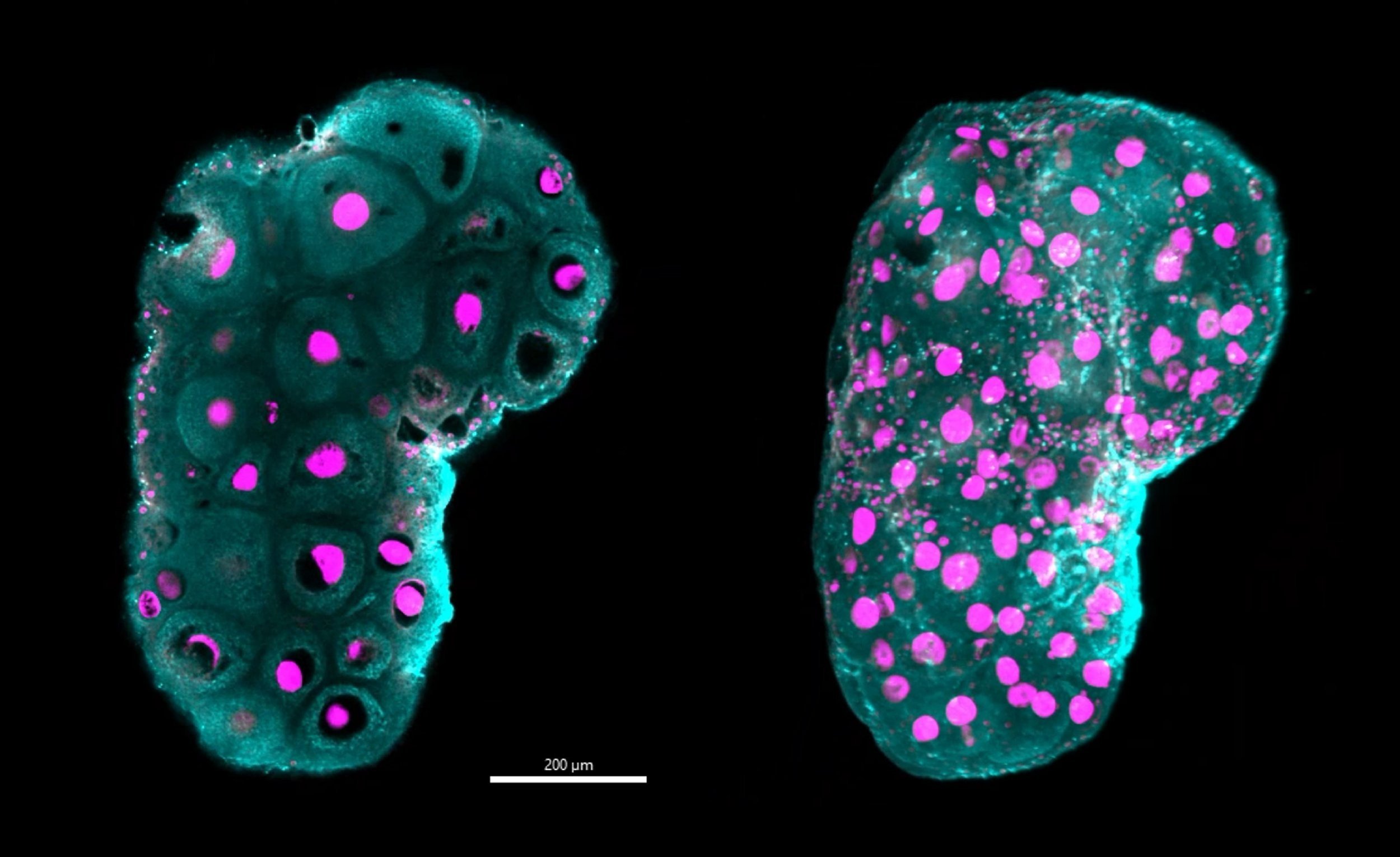
Section and 3D visualization of whole-mount immunofluorescence staining of a cleared mouse ovary. Pink = oocytes (DDX4); Turquoise = granulosa cells (Nr5a2)
Graduate student
Julien Roche-Prellezo holds a Master’s degree in Cancer Biology from the University of Montpellier, France. He completed a Master’s internship in the Pépin lab in 2024, where he investigated the roles of follistatin in ovarian cancer. In 2025, he returned as a PhD student to the Pépin, working under the guidance of Dr. Maëva Chauvin and in collaboration with Dr. Nathalie Bonnefoy’s team at the Institut de Recherche en Cancérologie de Montpellier (IRCM, France). He is currently investigating the role of cancer-associated mesothelial cells (CAMCs) in ovarian cancer, with the aim of identifying novel therapeutic strategies to overcome tumor resistance.
Project: Investigating the role of cancer-associated mesothelial cells on the tumor immune microenvironment to overcome ovarian cancer resistance
Research Technician II
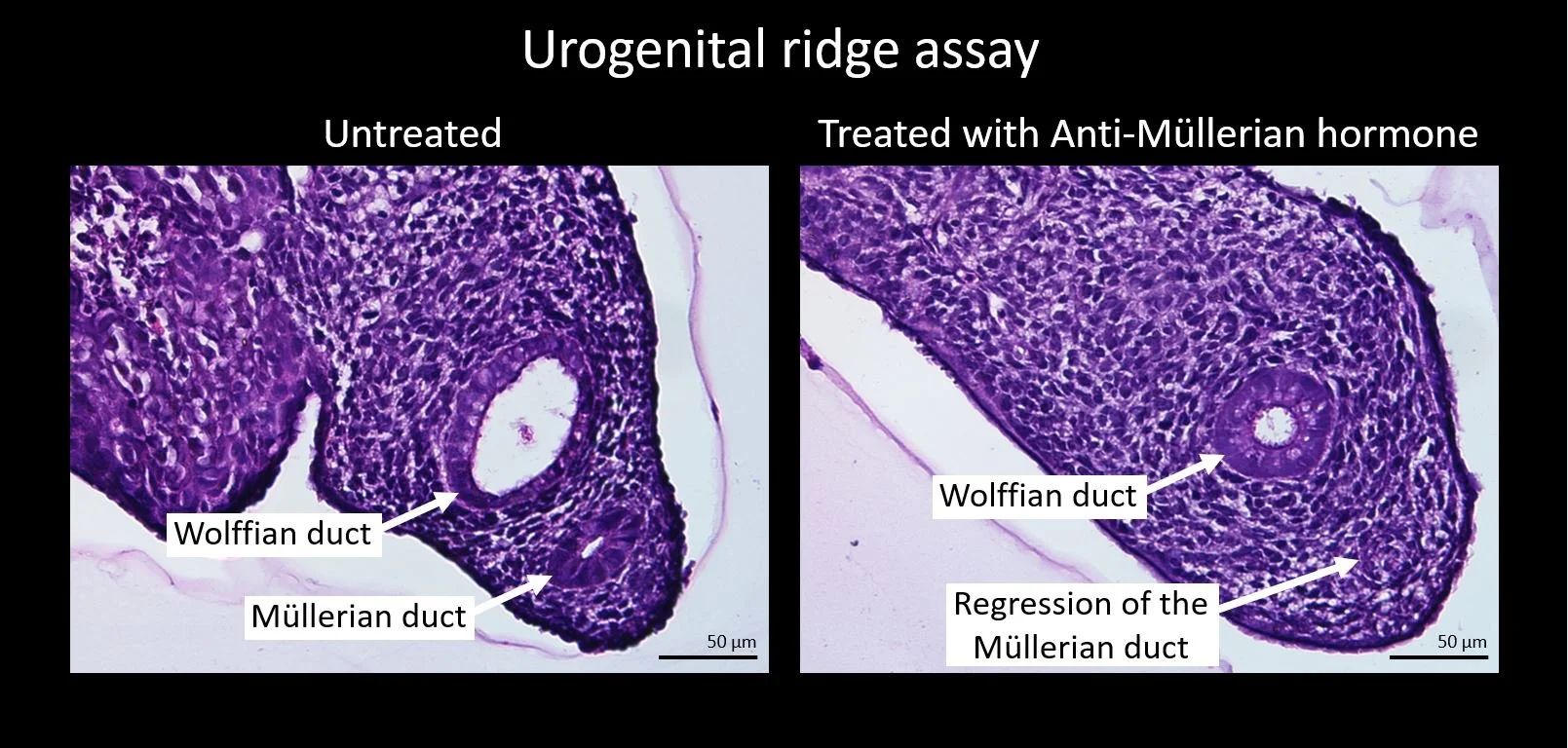
Nicholas Nagykery is one of the Pépin lab’s skilled research technicians with expertise in developing ELISAs, producing recombinant protein, and performing ex vivo urogenital assays.
Project: Single injection of AAV9 Mullerian Inhibiting Substance as an ideal permanent contraceptive (The Michelson Found Animals Foundation)
Research Technician I
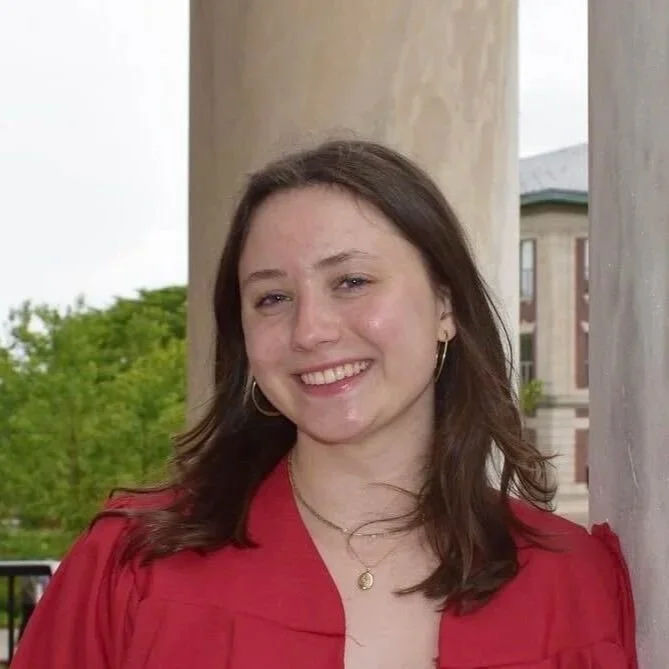
Sarah joined the Pépin Laboratory in 2026. She received her undergraduate degree from Wesleyan University in 2025, where she double majored in Chemistry and Feminist, Gender, and Sexuality Studies. At Wesleyan, her research focused on semiconductor development in organic chemistry. Additionally, she interned with the American Medical Women's Association, assisting with several reproductive health initiatives.











Quisque iaculis facilisis lacinia. Mauris euismod pellentesque tellus sit amet mollis.